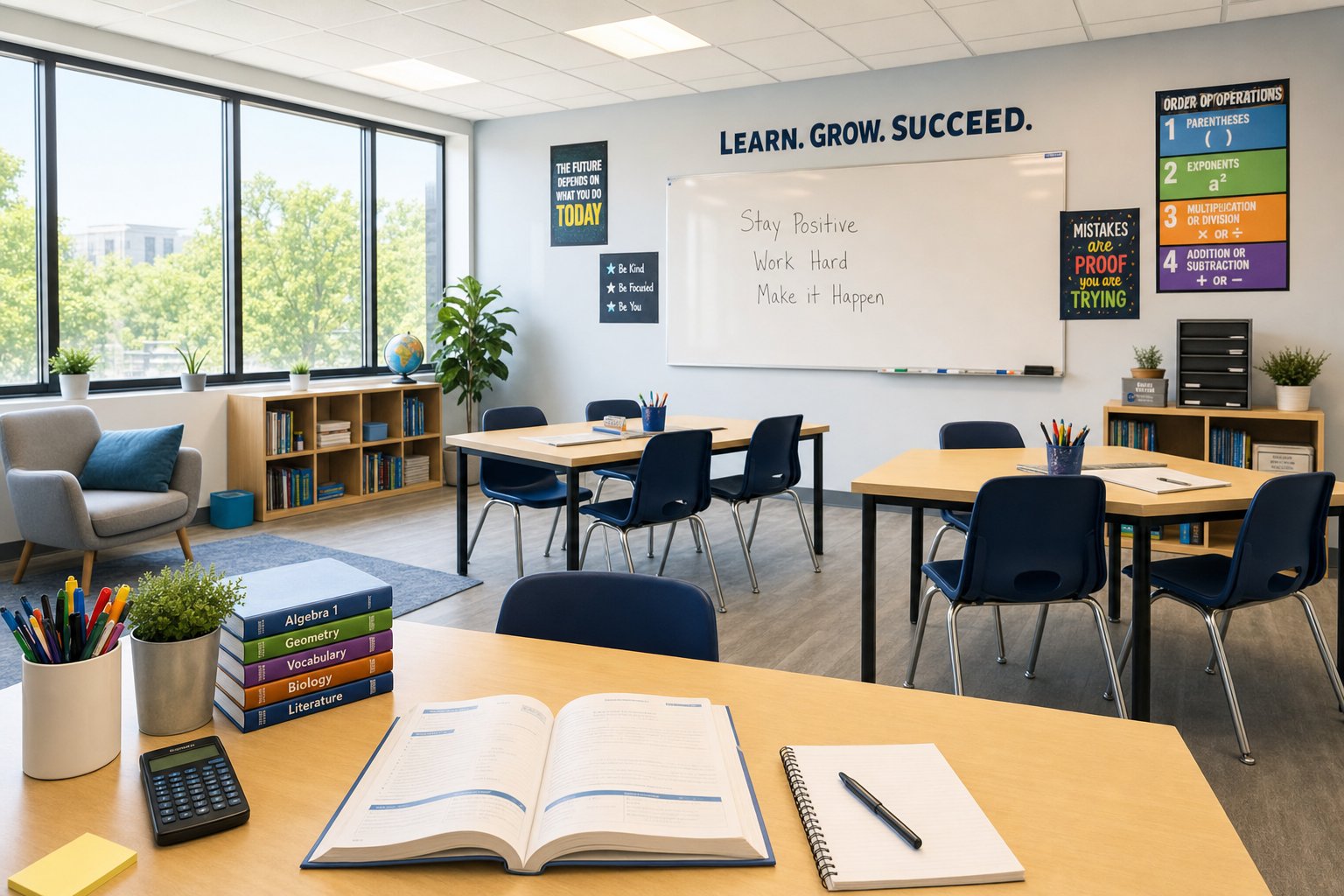
After-school programs and tutoring centers have a unique risk profile: high-touch learning surfaces, snacks, shared devices, and a constant rotation of kids, instructors, and parents. In NYC and across the tri-state area, facility managers also contend with tight after-hours windows (often 7–10 PM), mixed-use buildings, and strict expectations from families who notice every detail. GreenPoint Maintenance Services builds cleaning programs for learning spaces that prioritize measurable outcomes, not vague promises—using JaniTrack verification (timestamped, GPS-tagged photos), ATP testing for surface cleanliness, and a live QA dashboard. If you need a walkthrough and fixed-price proposal for a tutoring center or after-school site, call 347-332-9348.
Why tutoring centers need a different cleaning standard than typical offices
A tutoring center isn’t just “an office with desks.” The occupant mix (children + adults) changes both the soil load and the tolerance for irritants. Pencil graphite, paper dust, craft materials, and snack residues accumulate fast; so do fingerprints on glass, whiteboards, tablets, and shared calculators. GreenPoint typically designs a two-lane approach: (1) a daily detail-clean focused on high-touch and visible presentation, and (2) a scheduled deep-clean lane that resets floors, upholstery, and hard-to-reach dust reservoirs. The result is fewer complaints, fewer “mystery odors,” and a cleaner experience that parents trust. For pricing, GreenPoint uses fixed monthly rates—no hourly billing, no hidden add-ons—so budgeting is predictable.
In the tri-state, many tutoring centers are in mixed-use buildings near transit hubs—think Queens Boulevard near Roosevelt Ave–Jackson Heights, Flatbush Junction, Downtown Brooklyn, or along the PATH corridors in Jersey City and Hoboken. That means the lobby, elevators, and shared restrooms may be outside your lease line, but your center still gets judged for overall cleanliness. GreenPoint helps you build a scope that clarifies what’s in and out, and we document it in a simple service map so both sides agree. To schedule a quick site walkthrough, call 347-332-9348.
High-touch map: what to disinfect every day (and what to avoid)
Daily disinfection in learning spaces should target surfaces that get repeated hand contact and then face contact: door hardware, check-in counters, pens and clipboards, chair backs, desk edges, shared keyboards/mice, iPad cases, light switches, faucet handles, and restroom touchpoints. GreenPoint builds a “high-touch map” for each site and trains technicians to hit it in a consistent order so nothing is missed. We also align dwell-time and label directions for EPA-registered disinfectants—because “wipe and wave” is not disinfection.
Equally important: avoid over-application of chemicals on porous, kid-adjacent surfaces. For example, some centers overuse bleach on laminate desks, damaging finishes and leaving lingering odor that parents interpret as “harsh chemicals.” GreenPoint uses Green Seal–aligned products where appropriate, chooses disinfectants based on the surface and risk, and documents SDS access and training in line with OSHA hazard communication requirements. If you want a program that balances disinfecting and indoor air quality, call GreenPoint at 347-332-9348.
Snack zones and allergens: cleaning to reduce complaints and missed days
Snack zones create the biggest “hidden” facility problem: pests, odors, and allergen concerns. A common tri-state scenario is a small pantry corner with a mini-fridge, microwave, and a trash can that overflows after afternoon sessions. GreenPoint scopes snack-zone service with specific, auditable tasks: empty and reliner trash, wipe and disinfect appliance touchpoints, clean counters and backsplash, spot-mop under the trash can, and replace sticky floor residues at the perimeter. We also recommend a weekly pull-out clean behind the fridge and under rolling carts—these are pest hot spots in NYC buildings.
For allergy-sensitive families, consistency matters more than intensity. A stable routine—HEPA vacuuming of carpets and entry mats, microfiber dusting (not feather dusters), and controlled product selection—reduces “dusty room” complaints. If your center is near major arterials (BQE, Grand Central Parkway, FDR Drive) or above a retail corridor, particulate drift can be higher; we plan for it with more frequent HEPA vacuuming and filter checks.
Floor care in tutoring centers: VCT vs. laminate vs. carpet (and what it costs)
Flooring choices drive both appearance and long-term cost. Many tutoring centers use a mix: carpet tiles in classrooms, laminate in hallways, and VCT in break areas. GreenPoint typically benchmarks floor service by square footage and finish type. As a planning range, expect routine nightly service to cover vacuuming, spot-mopping, and entry-mat maintenance, while periodic deep floor care (strip-and-wax for VCT, extraction for carpets) is scheduled quarterly or semi-annually depending on traffic. For a deeper budgeting breakdown, see our guide on [commercial cleaning cost per square foot](/blog/commercial-cleaning-cost-per-square-foot/) and our practical floor-care reference for [VCT strip, seal, and wax](/blog/vct-floor-care-strip-seal-wax-guide/).
In NYC, “appearance level” standards matter because parents and staff make immediate judgments from the entryway and the restroom. GreenPoint uses appearance scoring aligned to commonly used industry frameworks (e.g., ISSA-style appearance levels) and then verifies via JaniTrack photos from fixed reference angles (entry, reception, classroom aisle, restroom). That proof-driven approach reduces subjective disputes and helps operators justify spend to owners or franchisors.
Restrooms for kids and parents: service cadence and stocking rules
If your center has even one restroom, it will be a churn point. High-volume session changes (3:30–5:30 PM) often create mini “rush hours” similar to small venues. GreenPoint recommends a clear cadence: full nightly clean, plus an optional mid-shift touch-up for high-traffic sites. The nightly scope should include disinfecting all touchpoints, removing soap scum and spotting mirrors, cleaning behind toilets where possible, and checking for leaks/standing water that can create odor.
Stocking is the other half of the restroom experience. Many tutoring centers lose time and reputation because of empty dispensers. GreenPoint can include consumables management (toilet tissue, paper towels, soap) with min/max par levels and documented refills. If you want a walkthrough and a proposal that includes supplies, call 347-332-9348 and we’ll build fixed pricing.
Proof and accountability: JaniTrack verification for learning spaces
Kids’ spaces are reputation-sensitive. A single photo of a dusty desk or sticky floor can travel fast in a parent group chat. GreenPoint Maintenance Services uses JaniTrack to provide timestamped, GPS-tagged photos of completed work, plus optional ATP testing for high-touch surfaces when you need objective cleanliness verification. Facility managers get a live dashboard showing attendance, tasks completed, and QA follow-ups—useful for franchise compliance, landlord discussions, or internal reporting.
We also build a simple escalation ladder: if an instructor reports a spill or illness incident, the center knows who to call, what products are used, and how the response is documented. This structure helps tri-state operators maintain consistent standards across multiple sites in Manhattan, Brooklyn, Queens, the Bronx, Westchester, Northern NJ, and Southern CT. For a demo, call 347-332-9348.
FAQ: after-school and tutoring center cleaning
Q: How often should a tutoring center be professionally cleaned? A: Most centers benefit from nightly service 5–7 days/week for restrooms, high-touch, floors, and trash, with scheduled deep cleans (carpet extraction or VCT floor care) quarterly or semi-annually depending on foot traffic. Q: What disinfectants are safe around kids? A: Use EPA-registered disinfectants per label directions and avoid over-spraying; pairing the right product with proper dwell time and ventilation is more important than “strong smell.” Green Seal–aligned options can reduce odor complaints. Q: Do we need mid-day cleaning? A: If you have heavy session turnover or multiple classes back-to-back, a short touch-up (restroom wipe-down, trash reset, spot-mop) can prevent end-of-day buildup. Q: Can you handle supplies like paper towels and soap? A: Yes—GreenPoint can include consumables with par levels, documented refills, and fixed monthly pricing. Q: How do we prove cleaning was done for parents or owners? A: GreenPoint uses JaniTrack verification photos and can add ATP testing for high-touch surfaces to provide objective documentation.
Need a proof-driven cleaning plan for a tutoring center or after-school program in NYC or the tri-state? GreenPoint Maintenance Services delivers fixed-price janitorial, Green Seal product options, and JaniTrack verification with timestamped photo evidence. Call 347-332-9348 for a walkthrough and same-week proposal—most clients choose GreenPoint for accountability and our 98% retention rate.